

Era

Browse Scripts & Screenplays by Era
From early cinema to modern streaming storytelling
Want to see how screenwriting evolved in real time? This page lets you explore the 8FLiX library by the era a script belongs to, from the earliest days of motion pictures to present-day film and television.
Reading scripts and screenplays by era is one of the fastest ways to level up as a writer: you’ll notice shifts in format, dialogue density, pacing, scene length, and what audiences were trained to expect. Silent-era storytelling leans heavily on visuals and momentum. Studio-era scripts sharpen genre rules and structure. Modern scripts often read leaner, faster, and more “camera-ready,” while teleplays reveal how longform tension and character arcs are engineered over episodes.
How to Use This Page
A Quick Screenwriting Timeline
Pick an era, grab two or three scripts, and compare craft choices: how openings hook you, how scenes turn, how dialogue functions, and how action is written. Same fundamentals, different tools and different expectations.
The 1900s

Filmmaking and screenwriting shifts from hobby to career as Georges Méliès writes 12 “scenarios” that become the 14-minute sci-fi film, A Trip to the Moon (Le Voyage dans la lune).
The 1910s
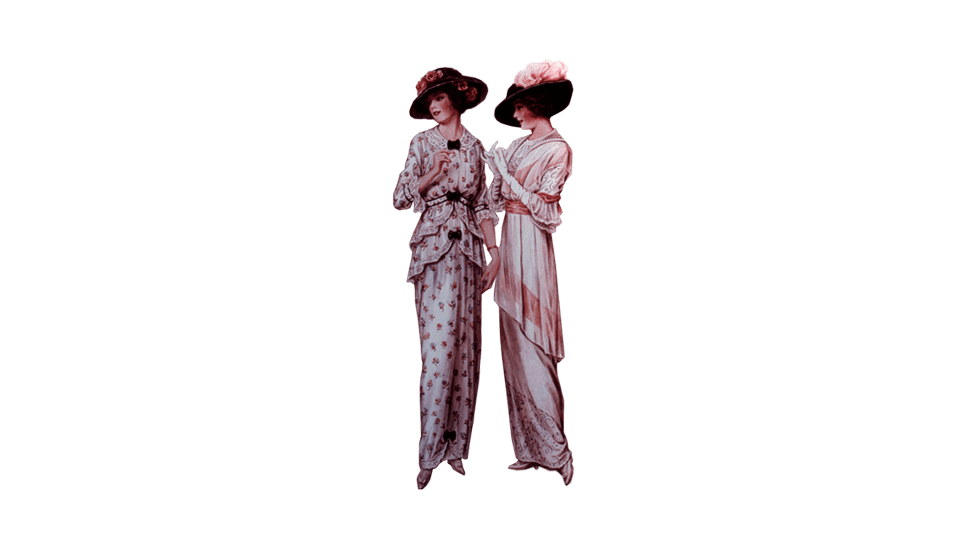
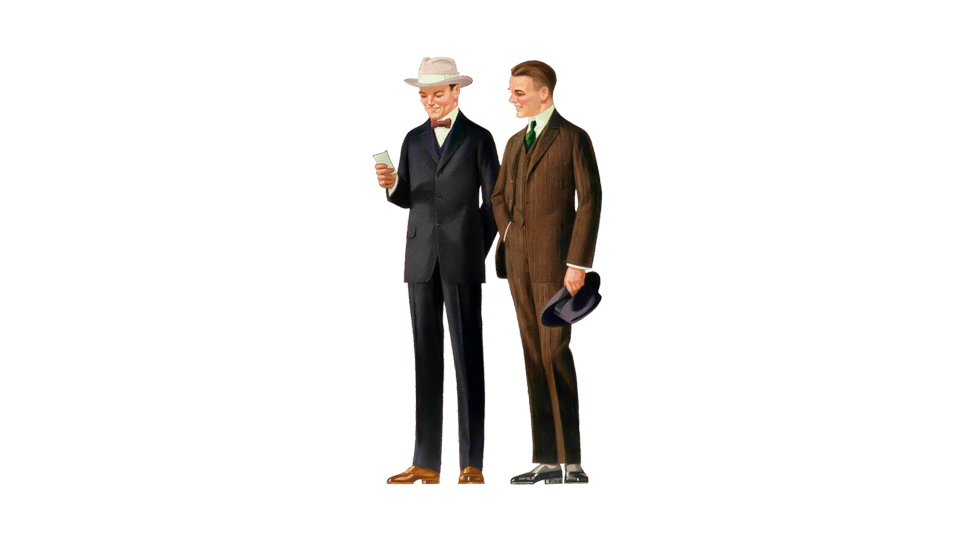
Silent cinema and visual-first storytelling. Clean actions, bold situations, and clarity without dialogue doing all the work.
The 1930s
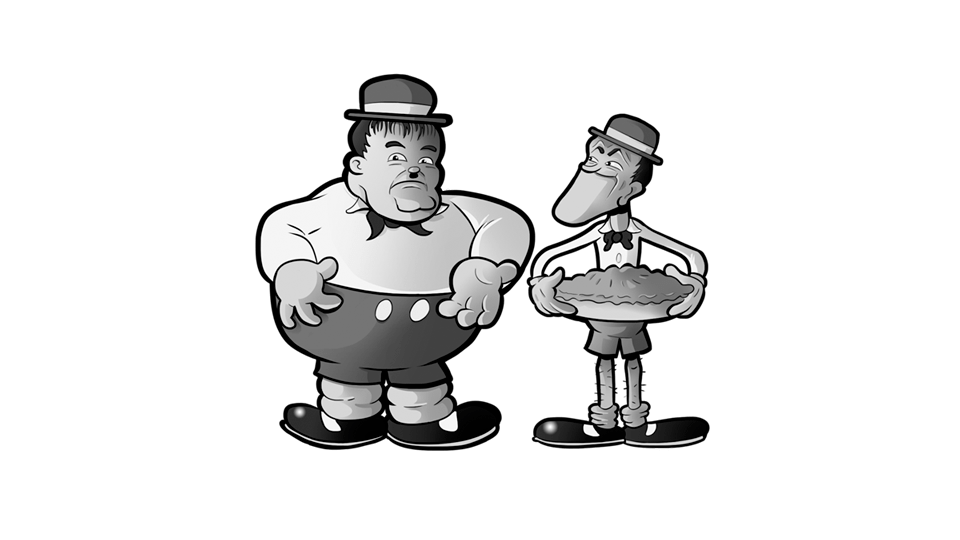
Monster movies, musicals, and cival war epics bring books to life and adaptations become the norm as “talkies” become a thing.
The 1940s
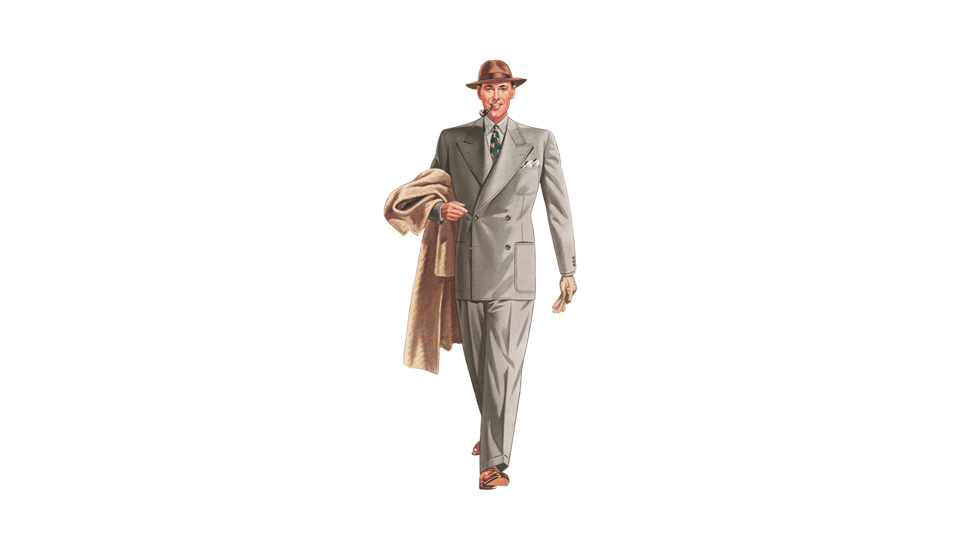
Film noir and war stories keep Hollywood and writers busy, while McCarthyism begins to catch on.
The 1950s

The studio era. Genre grammar hardens, structure gets sharp, and dialogue becomes a craft weapon.
The 1960s

Big cultural shifts, bigger characters, and a growing realism. TV rises, and storytelling rhythms start to split between film and episodic.
The 1970s

New Hollywood. Riskier protagonists, morally messy choices, and scripts that feel more personal and less “paint-by-numbers.”
The 1980s

Veg out with some gnarly reads, it’s the 80s. Gigawatt movies and hairstyles give birth to the summer blockbuster.
The 1990s

High-concept engines and blockbuster pacing, alongside indie voices pushing character, tone, and form.
The 2000s

Franchise logic, global audiences, and prestige television expanding what longform storytelling can do.
The 2010s

Streaming-era structure. Faster hooks, flexible formats, and scripts built for binge momentum, limited series arcs, and episode-level cliff mechanics.
The 2020s

An old adage, “the hero always lives,” dies. Leading characters are no longer safe, and screenwriting breaks rules and norms.