Magnolia (1999) — Read, Study & Download the Screenplay
A sprawling San Fernando Valley drama about coincidence, regret, broken families, impossible forgiveness, and the strange weather systems inside human beings.
The Magnolia screenplay follows a constellation of people across one charged day in the San Fernando Valley: a dying television producer, his furious young wife, a compassionate nurse, a lonely police officer, a damaged woman, a former quiz kid, a current quiz kid, a famous self-help performer, and a game show host whose family history is beginning to crack open. Their lives overlap through chance, guilt, memory, television, addiction, illness, confession, and the aching need to be seen before time runs out.
For writers and film students, Paul Thomas Anderson’s screenplay is a feast because it shows how an ensemble film can feel chaotic without ever losing emotional architecture. Study how the script uses recurring motifs, weather reports, television broadcasts, phone calls, songs, coincidences, and mirrored parent-child wounds to connect separate storylines into one bruised symphony. It is not tidy plotting. It is pressure-pattern storytelling, with every character carrying a private storm until the sky finally answers back.
Ready to get to work? Check out the Study Notes just below. When you're ready, download the Magnolia screenplay.
Magnolia Study Notes
What writers and film students can learn from this screenplay
Magnolia is useful to study because it turns emotional coincidence into dramatic structure. Paul Thomas Anderson’s screenplay opens with narrated stories of unlikely accidents, mistaken patterns, and strange convergences, then moves into a San Fernando Valley ensemble where everyone seems trapped inside a private version of the same wound. Parents fail children. Children inherit damage. Adults perform strength while quietly falling apart. The script moves through television studios, apartments, hospitals, police calls, seminar rooms, game show sets, and dying bedrooms, but its real geography is emotional weather. Each storyline feels separate until the patterns begin to rhyme. By the time the impossible arrives, it does not feel random. It feels like the story finally speaking in its own strange language.
Craft Focus
- Ensemble architecture: The screenplay balances many major characters by giving each one a clear emotional pressure point: guilt, abandonment, addiction, loneliness, regret, shame, denial, or the need for forgiveness.
- Coincidence as theme: The opening stories prepare the audience to read chance not as gimmick, but as a worldview. The script keeps asking whether life is random, patterned, cruel, merciful, or all of those at once.
- Motifs as connective tissue: Weather reports, television images, phone calls, music, children, fathers, confessions, and repeated language help unify storylines that might otherwise feel scattered.
- Performance as armor: Frank Mackey, Jimmy Gator, Donnie Smith, and others survive through constructed public identities. The drama begins when those identities stop protecting them.
- Parent-child damage: The screenplay keeps returning to inheritance. Stanley, Donnie, Claudia, Frank, and Jimmy’s family histories echo one another, creating a web of hurt that feels personal and generational.
Questions for Writers
- How does the prologue teach the audience how to watch the rest of the story?
- Why does the screenplay need so many characters, and what would be lost if the story belonged to only one protagonist?
- How does Anderson use television as both setting and metaphor for performance, memory, public identity, and emotional distortion?
- Where do characters say what they want, and where do they avoid the truth by talking around it?
- How does the script make children feel central to the story, even when much of the action belongs to adults?
- Why does the final act’s surreal turn work emotionally, even though it breaks from ordinary realism?
While reading, pay attention to how Magnolia builds rhythm instead of conventional plot momentum. Scenes often behave like musical phrases: a confession here, a denial there, a television cue, a phone call, a weather report, a cut to another room where the same emotional chord is playing in a different key. That is the craft lesson hiding under the rain clouds. Ensemble drama can become powerful when the writer stops treating each storyline as a separate lane and starts treating the whole script as one nervous system.
Looking for the screenplay? Jump to the download button.
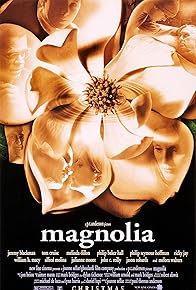
Magnolia (1999)
An epic mosaic of interrelated characters search for love, forgiveness and meaning in the San Fernando Valley.
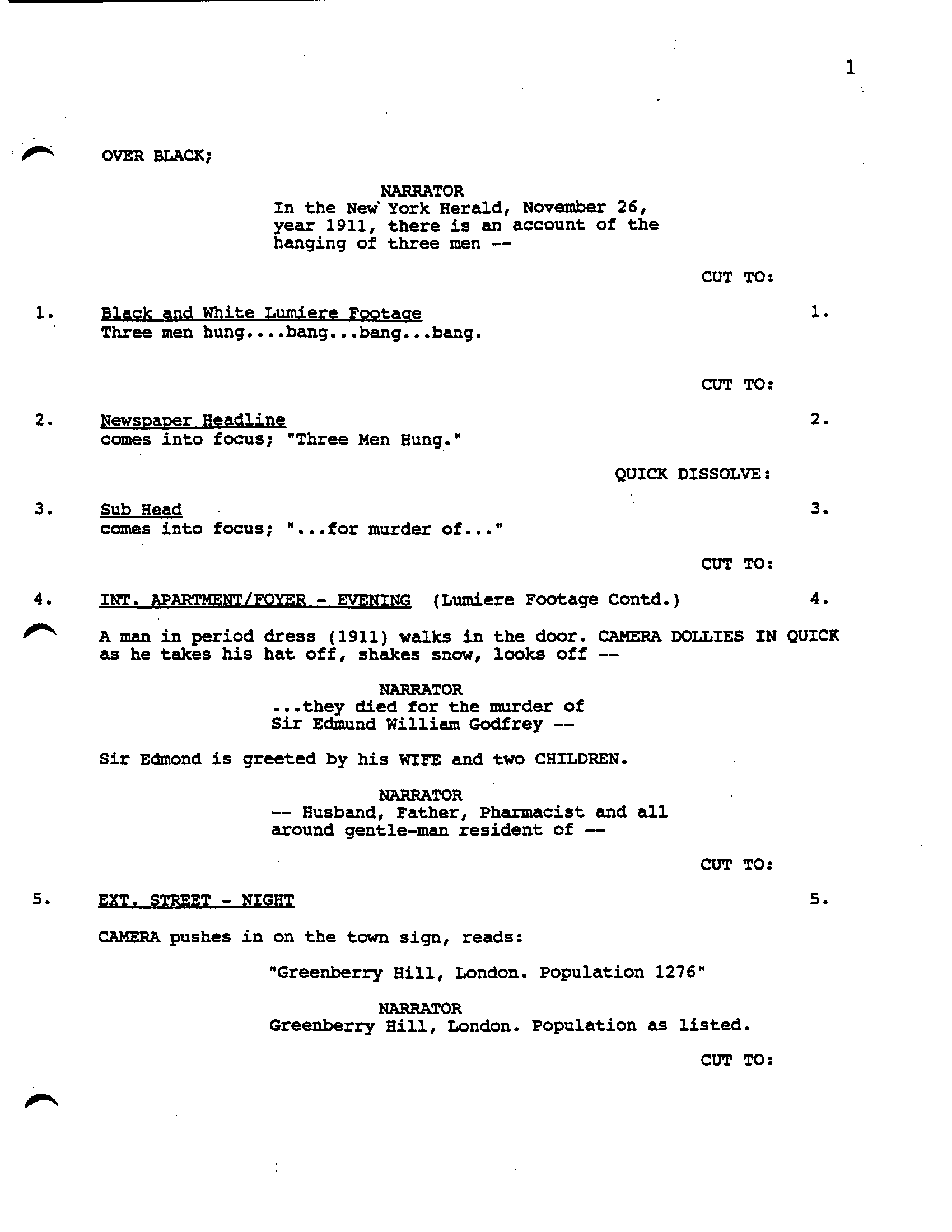
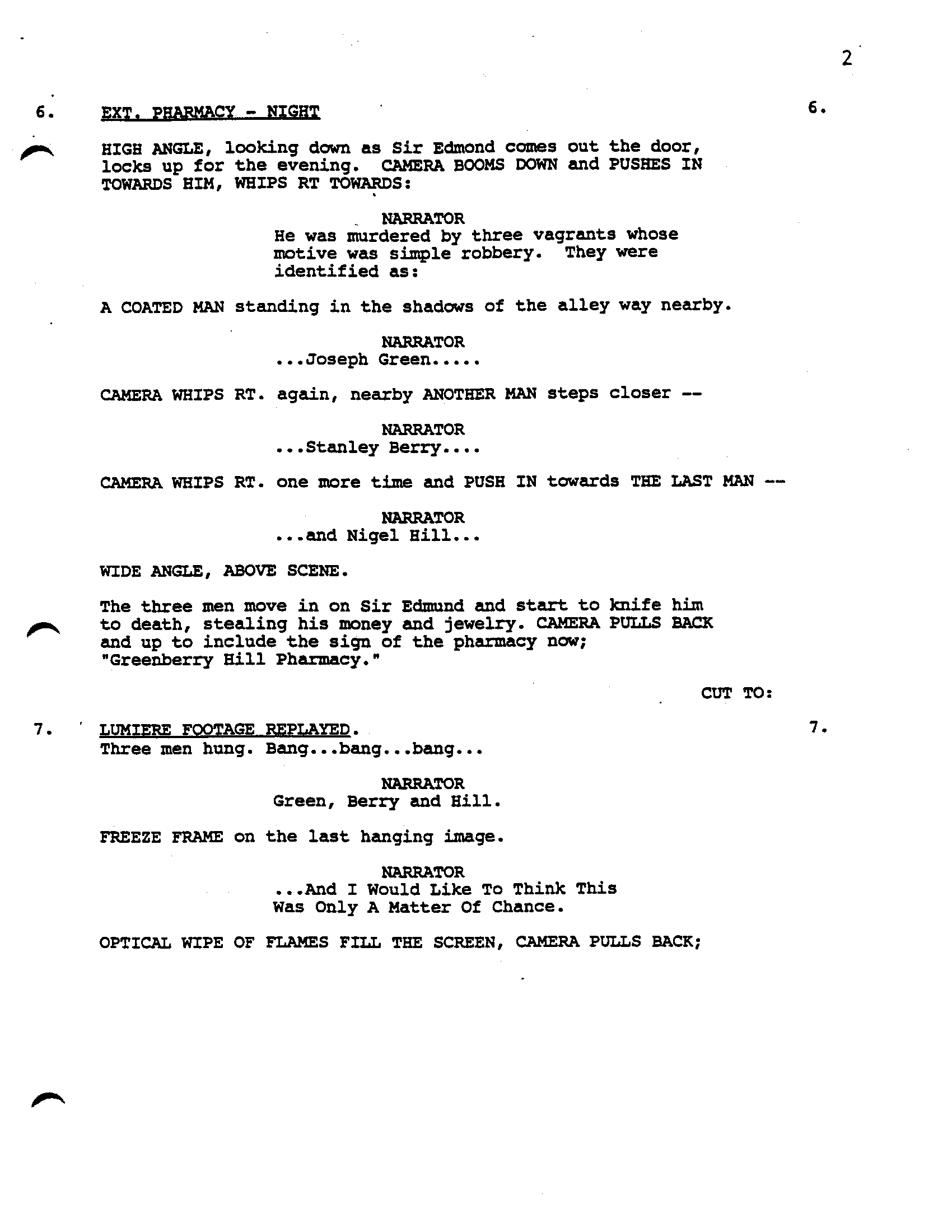
Screenplay download
Reading is open to everyone. A free account is only required to download so we can protect the library and respect rights-holder requests. Already registered? Log in and you’re set.
Read and Watch
Compare the script and movie together with 8FLiX and JustWatch.
Now that you have the screenplay, stream Magnolia and compare. We've partnered with JustWatch so you can make that happen.
Looking For Something?
If you can't find what you need, send us an email.
Looking for a specific movie or TV script that isn't listed? Let us know. 8FLiX has thousands of scripts, and not all of them are indexed yet. We’re steadily adding more, but if you’d rather not wait for the catalog to catch up, send us an email. You may still have to wait, but it’ll usually be days, not geological time.