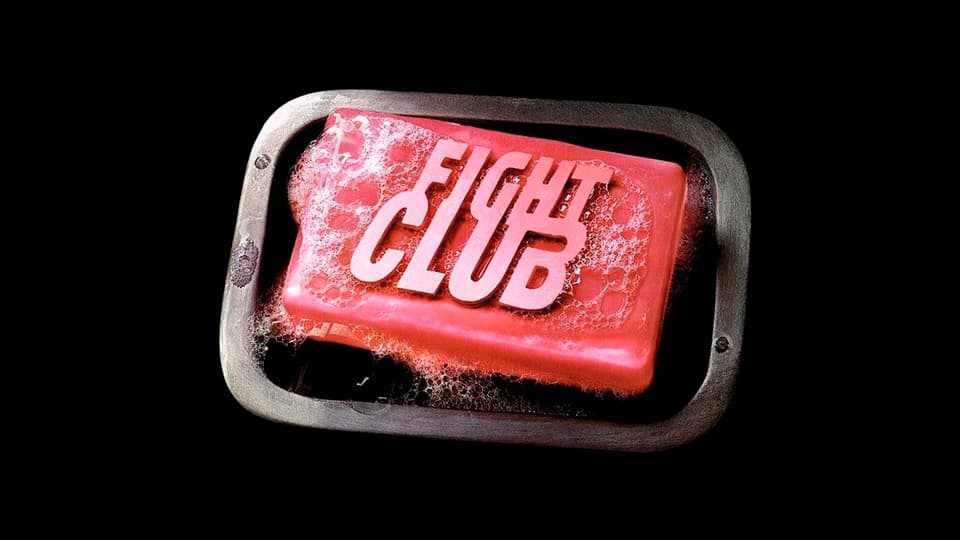
Fight Club (1999) — Read, Study & Download the Screenplay
Consumer dread, split identity, and one very persuasive bad idea.
Fight Club follows an unnamed narrator whose insomnia, corporate numbness, and catalog-perfect life collapse into something darker after he meets Tyler Durden. Jim Uhls’ screenplay, based on Chuck Palahniuk’s novel, turns alienation into momentum, using voiceover, fractured structure, dark comedy, and escalating violence to chart a man mistaking self-destruction for freedom.
For writers and film students, this is a sharp study in unreliable narration and tonal control. The script is funny, ugly, seductive, and alarming, often in the same scene. Its power comes from how carefully it lets the audience feel the appeal of rebellion before revealing the rot underneath the floorboards.
Fight Club Study Notes
What writers and film students can learn from this screenplay
By: Nick Runyeard
Fight Club is useful to study because it builds a psychological thriller out of voice, structure, and contradiction. The screenplay begins at the end, rewinds through insomnia, support groups, consumer paralysis, and male alienation, then lets Tyler Durden turn the narrator’s private collapse into a public philosophy with bruises, soap, and terrible branding discipline.
Craft Focus
- Unreliable narration: The narrator’s voiceover is funny, intimate, and deeply compromised, pulling the audience close before the story reveals how unstable his perspective really is.
- Structure as misdirection: The script opens with a crisis, jumps backward, and builds toward a revelation that recontextualizes earlier scenes without making them feel like cheap trickery.
- Theme through behavior: Consumer identity, numbness, masculinity, pain, and control are dramatized through objects, rituals, jobs, rooms, bruises, and rules rather than tidy speeches.
- Escalation of an idea: Fight club begins as release, becomes community, mutates into doctrine, and finally metastasizes into organized violence.
Questions for Writers
- How does the gun-in-mouth opening create immediate stakes while also promising a mystery of identity and cause?
- How does the narrator’s voiceover shape tone, pacing, and audience sympathy?
- Where does Tyler function less like a person and more like an argument the narrator wants to believe?
- How does the script make fight club feel seductive before exposing the danger of what it becomes?
While reading, pay attention to how Fight Club weaponizes charm. The screenplay knows Tyler’s worldview has to feel thrilling before it curdles. That is the dangerous little engine under the hood: the script lets the fantasy sell itself, then makes the bill arrive with interest, blood, paperwork, and structural damage. For writers, the lesson is not “make chaos cool.” It is: understand why chaos seduces your character before you burn the clubhouse down.
Looking for the screenplay? Jump to the download button.
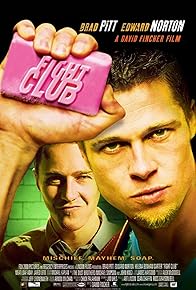
Fight Club (1999)
An insomniac office worker and a devil-may-care soap maker form an underground fight club that evolves into much more.
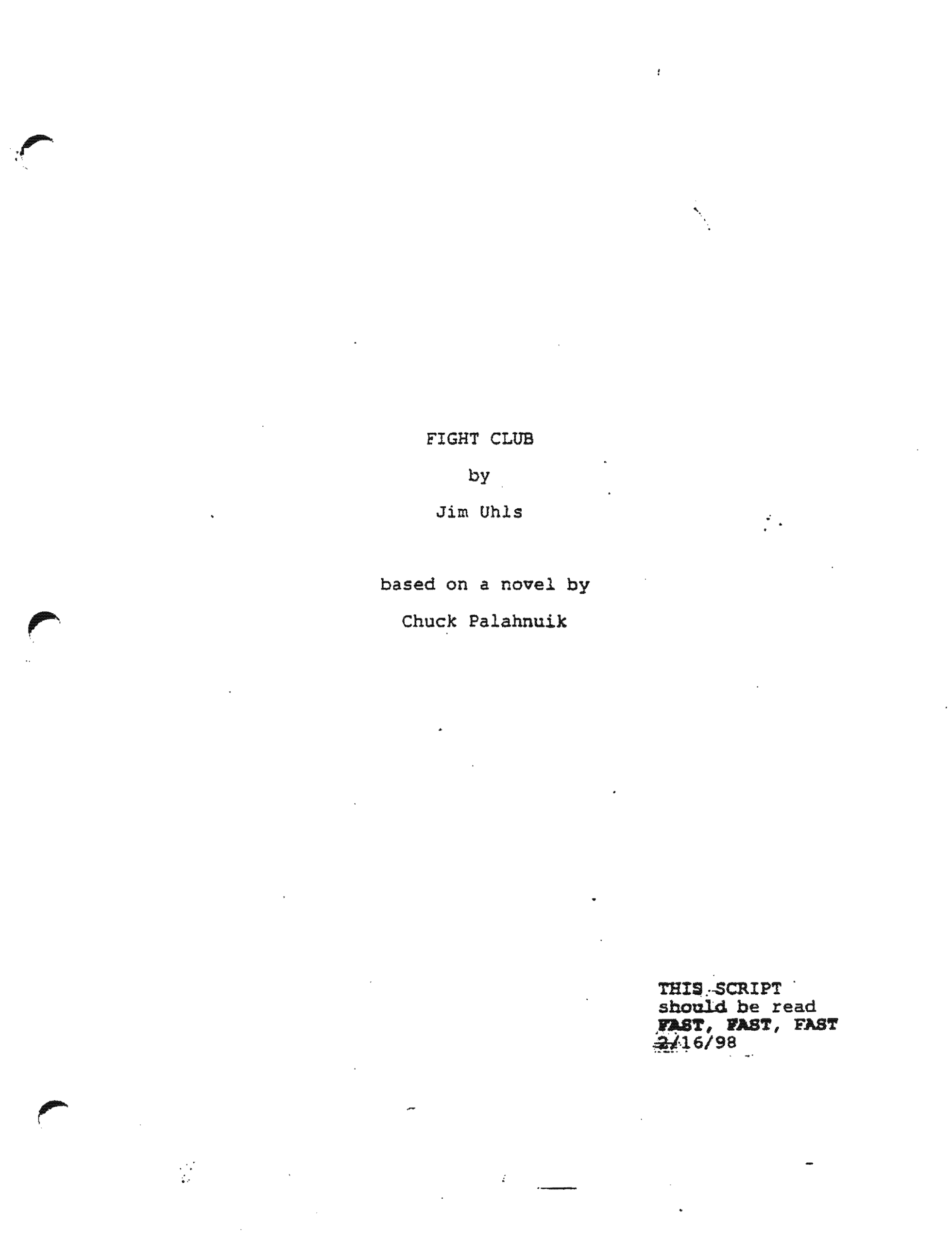
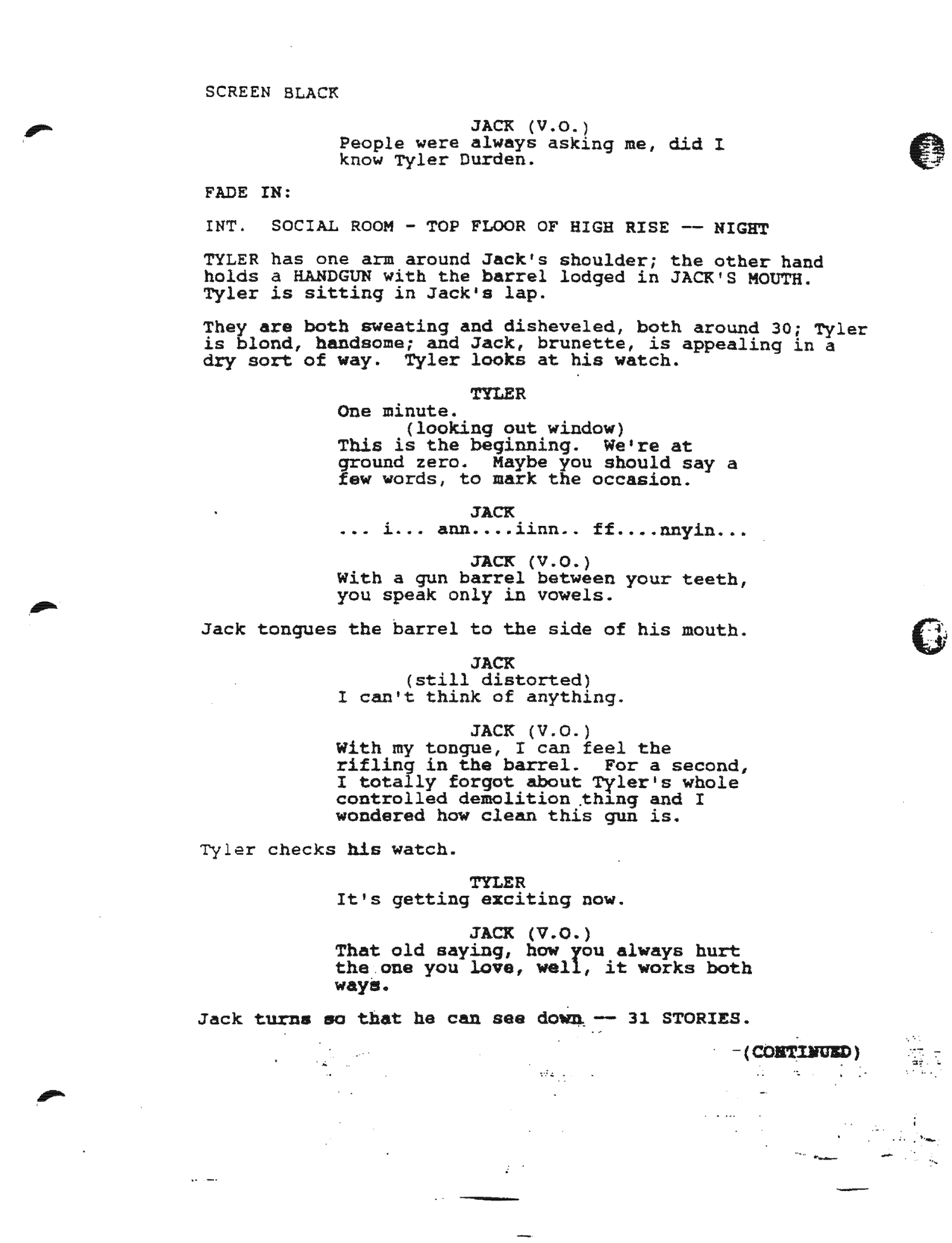
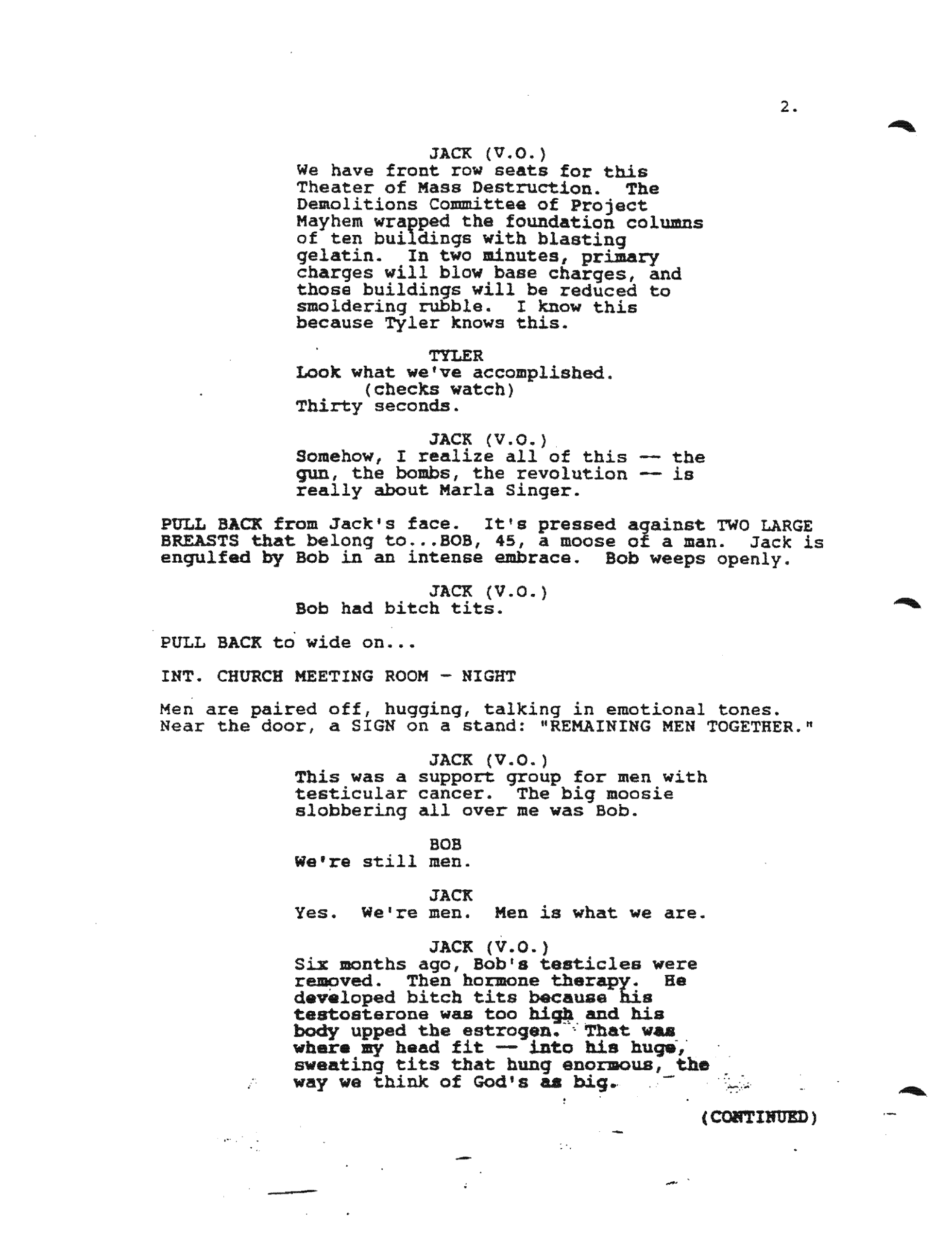
Screenplay download
Reading is open to everyone. A free account is only required to download so we can protect the library and respect rights-holder requests. Already registered? Log in and you’re set.
Read and Watch
Compare the script and movie together with 8FLiX and JustWatch.
Now that you have the screenplay, stream Fight Club and compare. We've partnered with JustWatch so you can make that happen.
Looking For Something?
If you can't find what you need, send us an email.
Looking for a specific movie or TV script that isn't listed? Let us know. 8FLiX has thousands of scripts, and not all of them are indexed yet. We’re steadily adding more, but if you’d rather not wait for the catalog to catch up, send us an email. You may still have to wait, but it’ll usually be days, not geological time.