

Mood & Tone
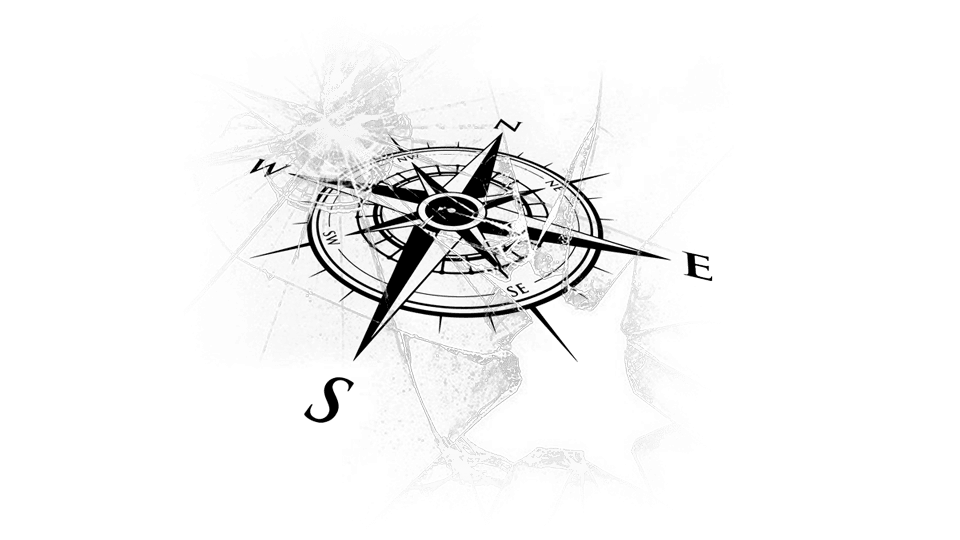
PHOTO: An illustration of a compass under broken glass: a metaphor of a screenplay’s mood and tone.
How Screenwriters Influence Mood & Tone
Understanding ‘look & feel’ in screenwriting.
If you’re somewhat familiar with the screenwriting, you’ve likely come across the phrase, ‘Don’t direct the page.’ Simply put, this means, ‘Just focus on writing the script.’ While it’s perfectly okay to make suggestions (for example, when emphasizing beats), a screenwriter’s primary role is to tell the story on the page.
It’s important to remember: you’re not writing a novel. When it comes to screenwriting, ‘tone’ is merely suggestive. Although the screenwriter is the author of the piece, filmmaking is a visual medium, and it’s the director who sets the ‘tone’ of the film. The Director of Photography (DP) and the screenwriter can advise, but it’s the director’s responsibility to tell the story.
Directors are experts at transforming words into visual storytelling. They breathe life into scripts with their vision, which often aligns with the writer’s intentions.
What tone is not.
– A specific character’s attitude toward something.
– The attitude of the narrator. This includes the attitudes of first-person fictional narrators.
– The mood or moods evoked by the piece.
What About Mood?
While ‘tone’ and ‘mood’ are often used similarly, in filmmaking the two are distinct.
Simply put, ‘tone’ is the filmmaker’s attitude toward the subject of the story. It’s established through the director’s choices in camera angles, lighting, color palette, and editing. In turn, ‘tone’ can significantly influence the ‘mood’ of the piece.
‘Mood’ refers to the emotions that the audience experiences while watching the film — their emotional reaction.
Earlier we reminded you that you’re writing a script, not a novel. While it might seem obvious to some, it’s important to remember that screenplays and novels are two very different forms of writing. A screenwriter can only suggest tone and subtly imply mood in their scripts, while a novelist is free to set tone and mood in their books.
What mood is not.
– The atmosphere of a scene (atmosphere is the sensation imposed upon the audience through ‘tone’).
– How a character feels.
– How the screenwriter feels.
How Mood & Tone Work Together
It’s all about teamwork.
A film’s ‘tone’ often shapes the audience’s emotional experience, but it’s important to note that the ‘mood’ can shift from scene to scene even when the film’s overall tone remains consistent.
Viewers might feel excitement (emotion) while also experiencing goosebumps (sensation) at the same moment. The dialogue in a movie’s final scene, crafted by the screenwriter, combined with the director’s tone established earlier, can evoke a wave of different emotions and reactions.
When the screenwriter and director share the same vision, the outcome is nothing short of cinematic magic!
Subgenres Reflecting Mood & Tone
Sift through some of the popular subgenres with emotions & sensations.
Below is a list of 22 subgenres that take both mood and tone into account. If you’re searching for a particular mood and tone combination, this is a great place to start. Please note, this list is subjective and reflects my personal experiences from reading the scripts and watching the films.
Cerebral
Scripts that are ‘cerebral’ are more appealing to the mind than the heart. They can make you feel emotions, but they’re really meant to feed the mind.
Dark
‘Dark’ screenplays deal with fear, death, and the sinister side of human nature. Basically, subject matter that is generally considered taboo, serious, or painful to discuss.
Deadpan
Screenplays considered ‘Deadpan’ are amusing while affecting a serious manner.
Emotional
‘Emotional’ scripts can be tearjerkers, that is true. But also those which evoke moderate anger or laughs can fall under this category.
Exciting
Scripts that are ‘exciting’ come with great enthusiasm and eagerness. With ‘Action’ and ‘Thriller’ screenplays, this is a popular mood.
Feel-Good
‘Feel-good’ scripts evoke feelings of happiness and well-being. Many Disney-Pixar films will leave the viewer feeling all warm and fuzzy inside.
Goofy
Adam Sandler comedy is ‘goofy’ — somewhat ridiculous, or mildly ludicrous. Sort of like wildly eccentric in a harmless way.
Gritty
‘Gritty’ is often used to describe things that are dark and edgy. If a film is gritty, that means it is likely violent and depressing. Think ‘Training Day.’
Heartfelt
Many ‘heartfelt’ screenplays are sincere, and wholehearted. Deeply and strongly felt.
Imaginative
“Imaginative’ scripts are creative and inventive. James Cameron’s ‘Avatar’ franchise is a primo example of imaginative tone.
Inspiring
What comes to mind when you think ‘inspiring’? These scripts make you feel like you want to do something real. Life-changing. ‘Patriots Day’, the story of the 2013 Boston Marathon bombing and the aftermath, inspired some to be a cop or soldier.
Irreverent
Personal favourite. ‘Irreverent’ scripts have content that shows a lack of respect for people or things that are generally taken seriously. In terms of comedy, this is actually a compliment. The TV series ‘Arrested Develpment’ sets that tone, as does ‘The Office.’
Mind-Bending
Christopher Nolan basically “owns” the ‘mind-bending’ subgenere. They’re often very difficult to understand, and feature complex storylines and characters. Movies like ‘Memento,’ and ‘Inception’ are great examples.
Offbeat
For the most part, ‘offbeat’ scripts are different from the ordinary, usual, or expected. Perhaps even a little… off. ‘Knives Out’ and ‘The Ballad of Buster Scruggs’ are good examples. This pairs well with dark comedies.
Ominous
Anything ‘ominous’ gives the impression that something bad or unpleasant is going to happen. A threat is omnipresent; and there’s no indication if anything will or will not happen. Suspense-thrillers can often have a very ominous tone. ‘Black Mirror’… yeah, ominous.
Quirky
Wes Anderson screenplays define ‘quirky’. They almost certainly have peculiar or unexpected traits. ‘The French Dispatch,’ and ‘Moonrise Kingdom,’ are two excellent examples of quirkiness.
Raunchy
You’ll never read a ‘raunchy’ Disney screenplay. This tone is often paired with comedy where the protagonists are involved in genrerally vulgar exchanges, and mild sexual activity. The ‘American Pie’ franchise is a good example. HBO’s ‘Euphoria,’ although not comedic in nature, could be considered as ‘raunchy.’
Scary
Thhis pretty much speaks for itself. ‘Scary’ screenplays are alarming and frightening. This feeling is not exclusive to horror movies, either. Thrillers like ‘Mission: Impossible’ can also trigger intense feelings of fright.
Sentimental
‘Sentimental’ scripts evoke feelings of tenderness, sadness, or nostalgia.
Suspenseful
Mystery screenplays are commonly paired with a ‘suspenseful’ mood subgenre. It can arouse excited expectations or uncertainty about what may happen.
Understated
Screenplays tagged as ‘understated’ are subtle but very effective, in their presentation. ‘Moonlight’ and ‘Ronin’ are the first to come to mind.
Witty
‘Witty’ scripts are clever and funny and timed just right. There’s dialogue that demonstrates sharp, biting humor and delivered playfully. ‘The Adam Project’ and ‘RED’ are classic examples of witty writing.
Learn More About Subgenres
Subgenres Reflecting Primary Genres
A film subgenre is a more specific category within a broader film genre, defined by unique elements, themes, or storytelling techniques that distinguish it from other films in the same genre. Subgenres allow for more precise classification and often focus on particular aspects of mood, tone, plot, setting, or character types.
Each subgenre brings its own unique style, tropes, and conventions to the story, allowing filmmakers to explore different aspects of the genre in creative ways. Subgenres help audiences understand what type of experience they can expect from a film, providing a more tailored viewing choice.
We have more than 140 subgenres to explore.
The Archive
Have some time? Dive into our full collection!
Just a reminder, you’ll need to sign up for a free account to access downloads. Here’s a look at our most recent additions.