The Piano Lesson (2024) — Read, Study & Download the Screenplay
A family drama about inheritance, memory, ghosts, and the burden of deciding what the past is worth.
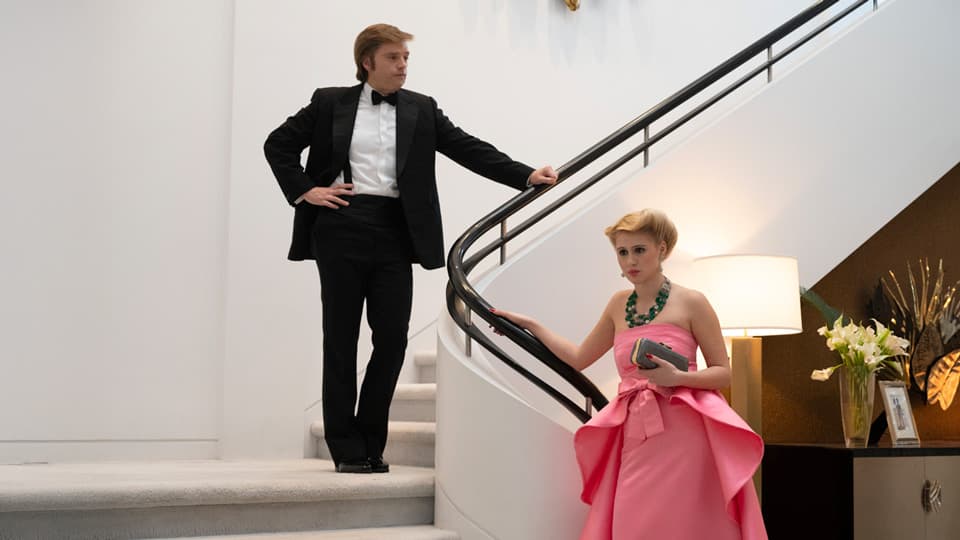
The Piano Lesson follows Boy Willie as he arrives in Pittsburgh with Lymon, a truckload of watermelons, and a plan to sell the family’s carved piano so he can buy the Mississippi land once owned by the Sutter family. But his sister Berniece refuses to let the piano go. To Boy Willie, it is the missing piece of his future. To Berniece, it is blood, grief, ancestry, and proof of what their family survived.
For writers and film students, this screenplay is useful because it shows how adaptation can turn a single object into a full dramatic engine. Study how the script uses August Wilson’s language, the 1911 prologue, Sutter’s ghost, family testimony, and the carved piano itself to make history feel active in every scene. It is a chamber drama with spiritual weather, where every argument over property is also an argument over memory.
Ready to get to work? Check out the Study Notes just below. When you're ready, download The Piano Lesson screenplay.
The Piano Lesson Study Notes
What writers and film students can learn from this screenplay
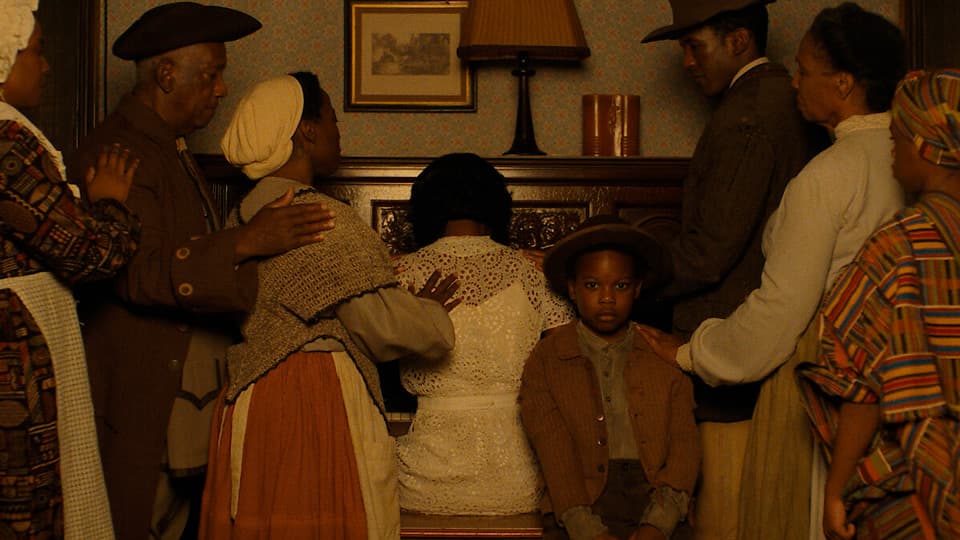
The Piano Lesson is useful to study because it shows how adaptation can honor theatrical language while giving cinema something muscular to do. The screenplay, written by Virgil Williams and Malcolm Washington from August Wilson’s play, opens with a 1911 prologue that turns family history into image: fireworks, shadows, the carved piano, a stolen inheritance, and the burning Yellow Dog boxcar. By the time Boy Willie arrives in Pittsburgh in 1936 with Lymon, a truckload of watermelons, and a plan to sell the piano, the audience already understands that this object is not furniture. It is testimony. It is wound wood. It is an archive with keys.
Craft Focus
- Object as story engine: The piano drives every major conflict. Boy Willie sees land, ownership, and economic freedom. Berniece sees blood, memory, and sacred family history.
- Adaptation through visualization: The opening theft of the piano, the Yellow Dog boxcar, Sutter’s ghost, and the flashbacks expand the play’s history into cinematic action.
- Dialogue as combat: Characters do not merely explain themselves. They argue, deflect, provoke, mourn, bargain, and protect themselves through language.
- Generational pressure: The screenplay lets the past behave like an active force. History enters through carvings, stories, ghosts, songs, silence, and family disagreement.
- Balanced dramatic conflict: Boy Willie and Berniece are both right in incomplete ways. That makes the central argument richer than a simple choice between progress and preservation.
Questions for Writers
- How does the 1911 prologue change the audience’s relationship to the piano before the main story begins?
- Where does the screenplay use sound, especially fireworks, train whistles, humming, and music, to make history feel present?
- How does Boy Willie’s entrance bring motion, noise, commerce, and danger into Berniece’s carefully controlled house?
- Why does the piano work as a stronger dramatic object than money, land, or a legal document would on its own?
- How does Berniece’s refusal to play the piano deepen her conflict, instead of simply making her its protector?
- Where does the supernatural material feel like character psychology, family history, and literal haunting all at once?
While reading, pay attention to how The Piano Lesson makes adaptation feel cinematic without draining the theatrical power from August Wilson’s dialogue. The lesson is not to “open up” a play by adding scenery for scenery’s sake. The sharper move is to open up the wound. The fireworks, the boxcar, the carved ancestors, the wet footprints, and the final act of playing the piano all serve the same dramatic purpose: they force the characters to stop treating history as something that can be sold, hidden, inherited, or ignored. Eventually, it has to be voiced.
Looking for the screenplay? Jump to the download button.
The Piano Lesson (2024)
Follows the lives of the Charles family as they deal with themes of family legacy and more, in deciding what to do with an heirloom, the family piano.
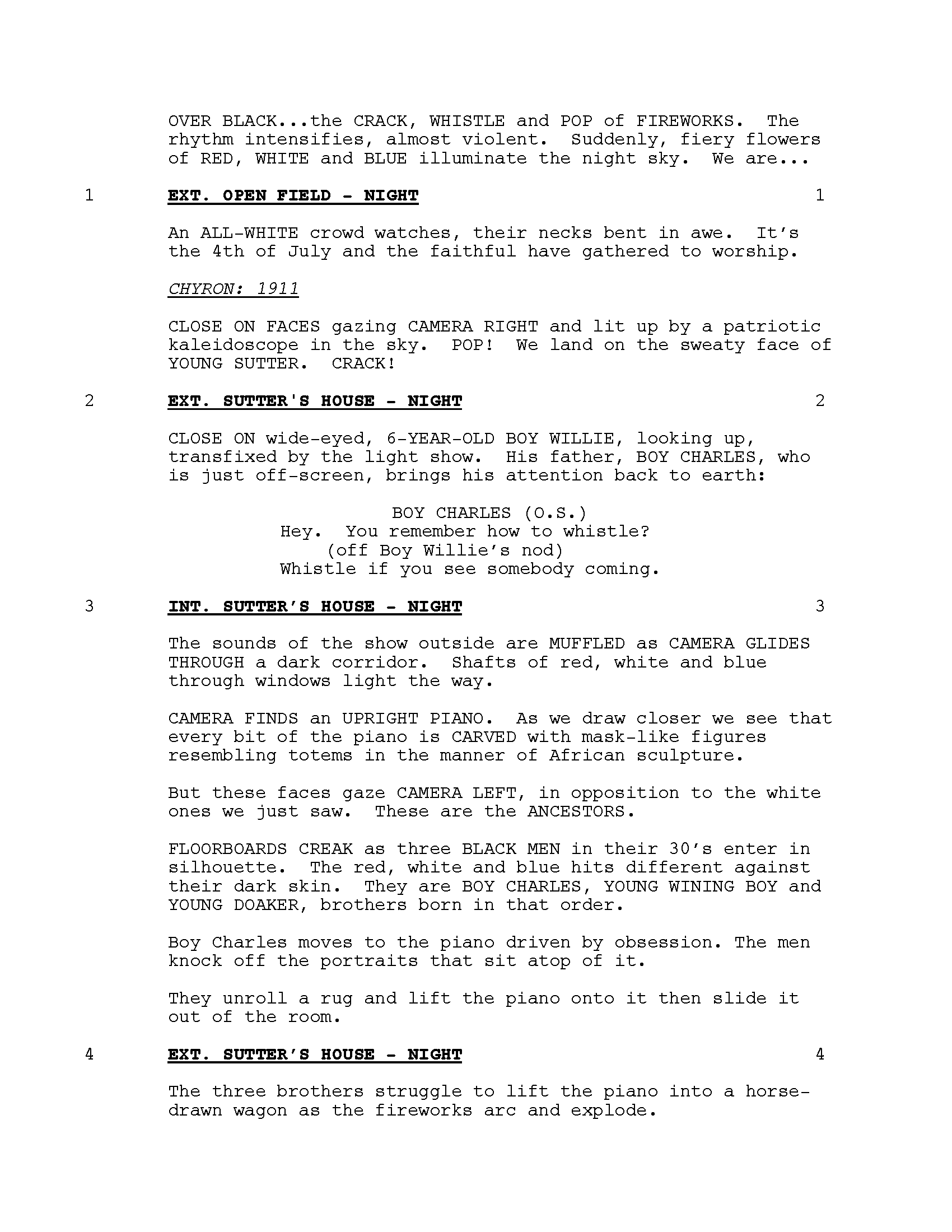
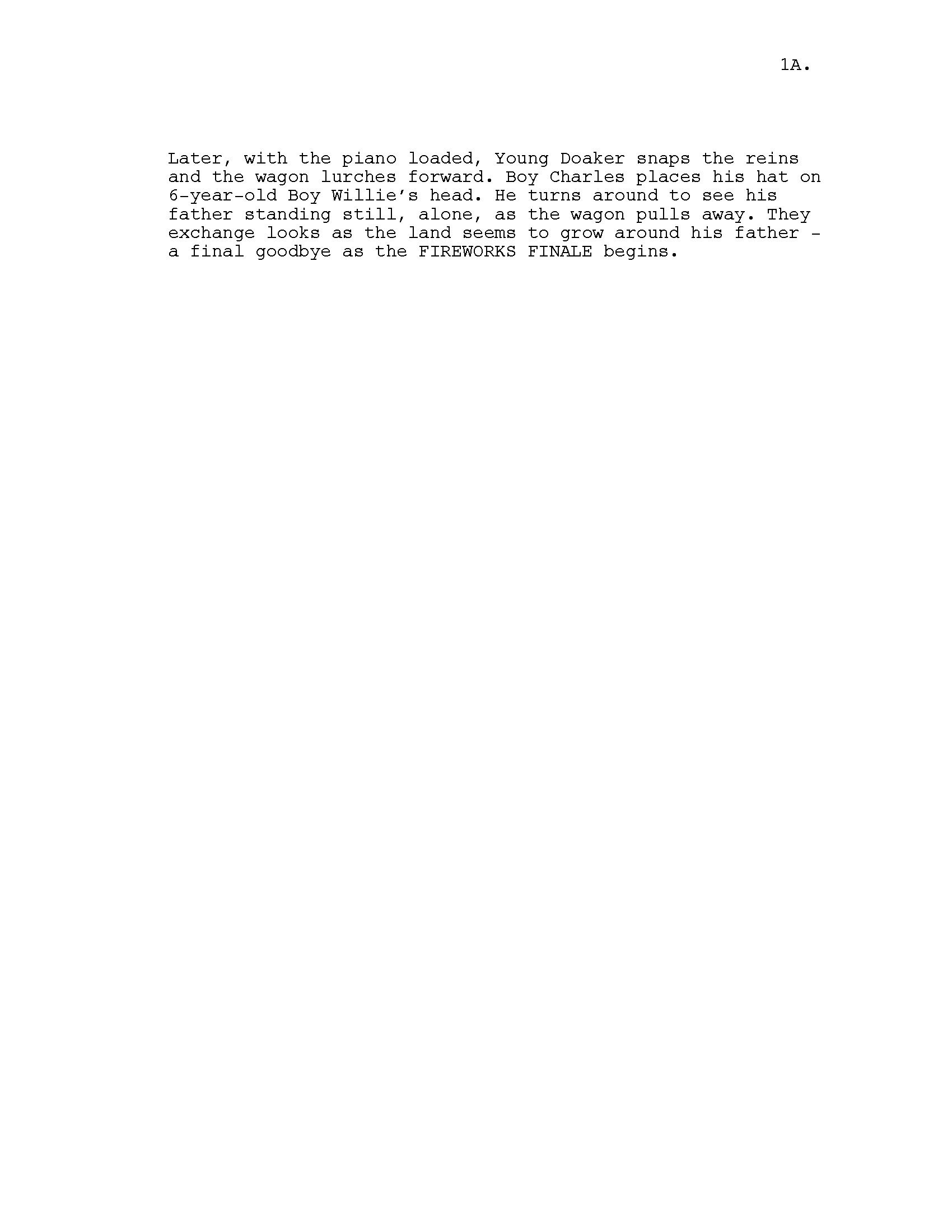
Screenplay download
Reading is open to everyone. A free account is only required to download so we can protect the library and respect rights-holder requests. Already registered? Log in and you’re set.
Read and Watch
Compare the script and movie together with 8FLiX and JustWatch.
Now that you have the screenplay, stream The Piano Lesson and compare. We've partnered with JustWatch so you can make that happen.
Looking For Something?
If you can't find what you need, send us an email.
Looking for a specific movie or TV script that isn't listed? Let us know. 8FLiX has thousands of scripts, and not all of them are indexed yet. We’re steadily adding more, but if you’d rather not wait for the catalog to catch up, send us an email. You may still have to wait, but it’ll usually be days, not geological time.