28 Weeks Later (2007) — Read, Study & Download the Screenplay
A vicious outbreak sequel about reconstruction, containment, family guilt, and the horrifying speed at which “safe” becomes another word for doomed.
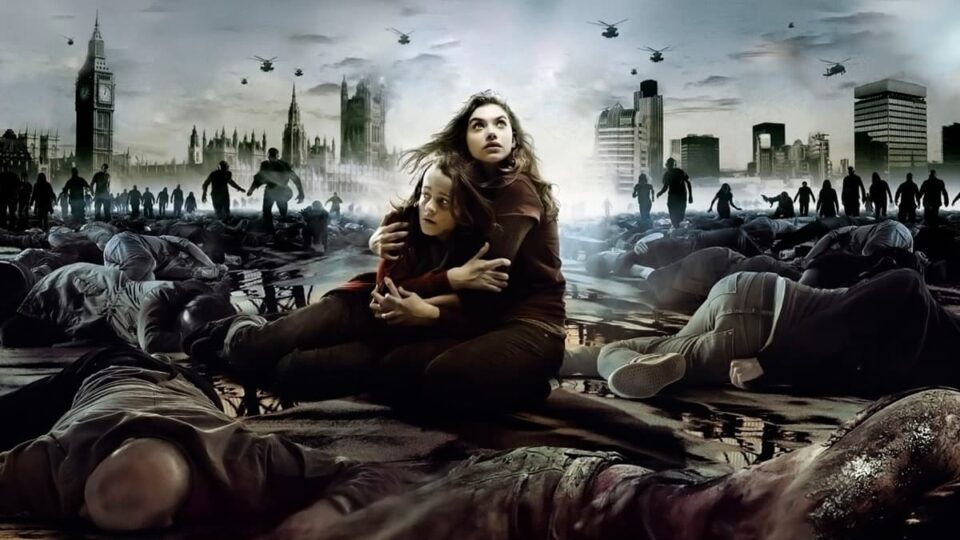
28 Weeks Later returns to Britain after the Rage virus has burned through the population and left London in ruins. The infected are believed to be dead, the United States military has helped secure parts of the capital, and civilians are being brought home under strict rules, Red Zones, relocation protocols, and the bright little lie of official confidence. But when Danny and Tamsin return to London with their father Don, the promise of recovery starts to fracture almost immediately. The city may be empty, but it is not finished with them.
For writers and film students, this scanned screenplay is useful because it treats the sequel not as “more infected, bigger chase,” but as a story about systems failing under the weight of their own certainty. Study how the draft uses repatriation briefings, military checkpoints, abandoned landmarks, medical research, quarantine language, family secrecy, looted institutions, and the possibility of a changed infection to escalate the horror. The scariest thing in the script is not only the Rage virus. It is the human confidence that this time, surely, everyone has learned enough to control it.
28 Weeks Later Study Notes
What writers and film students can learn from this screenplay
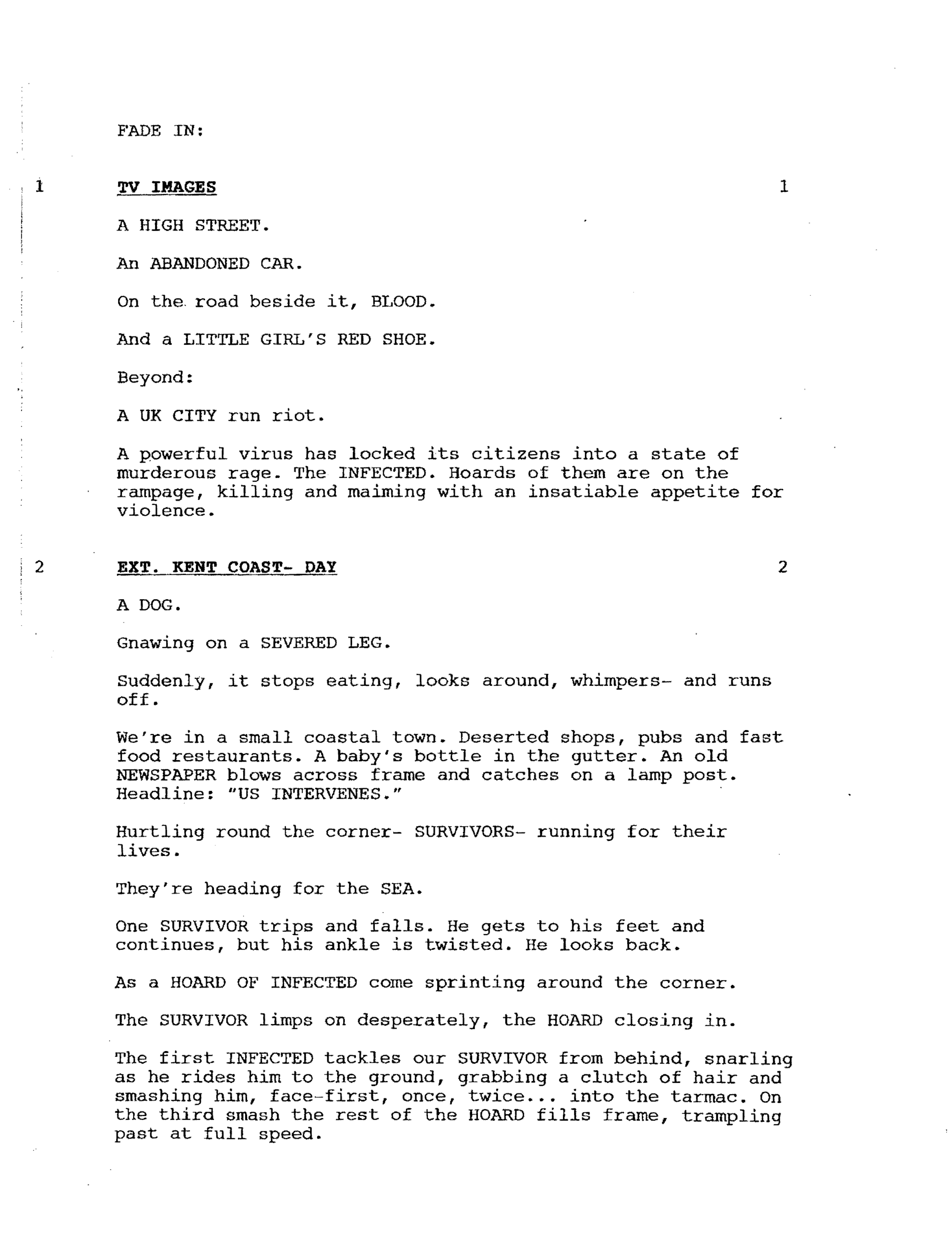
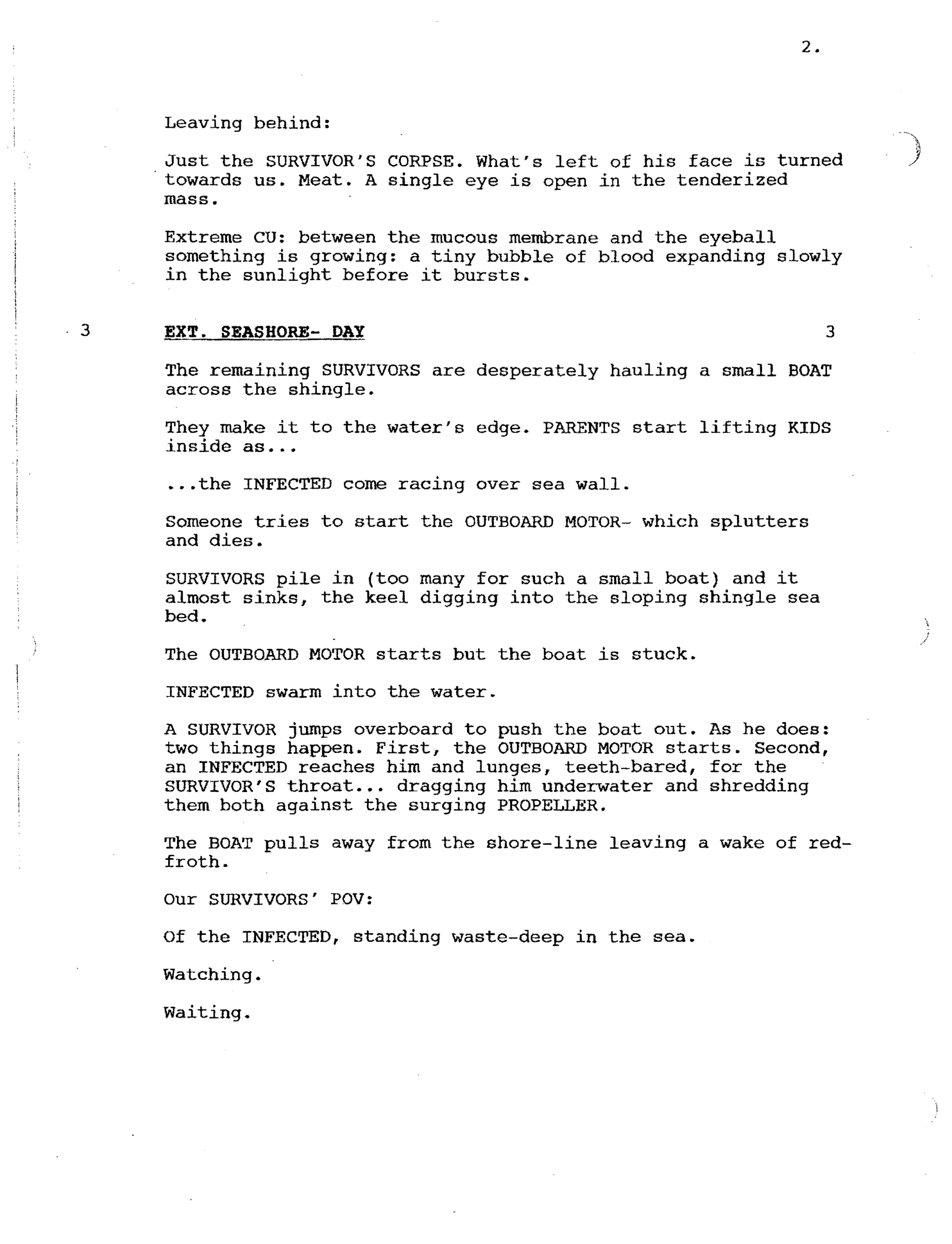
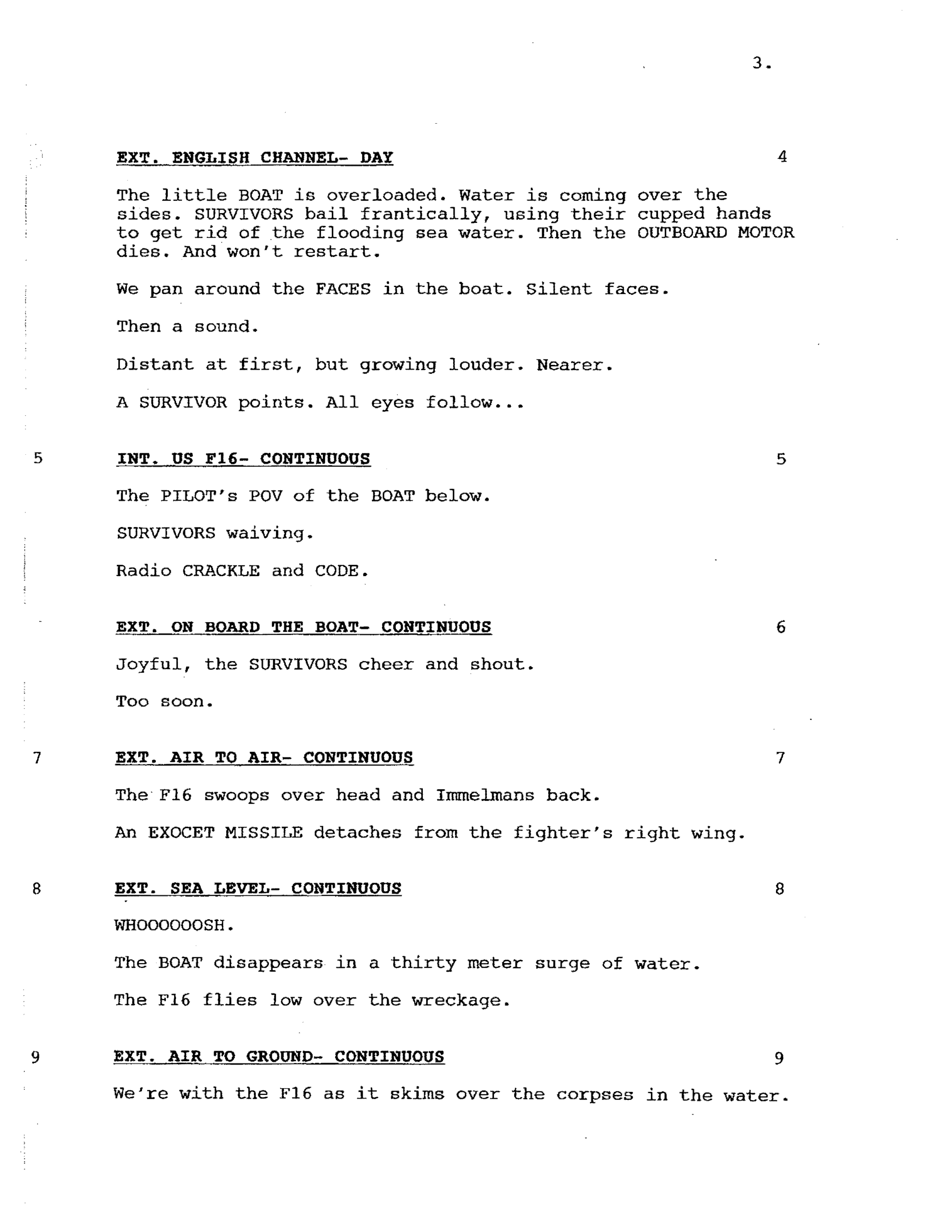
28 Weeks Later is useful to study because it shifts the outbreak story from immediate survival to institutional overconfidence. The scanned screenplay opens with violent television imagery, a road stained with blood, a little girl’s red shoe, and the collapse of escape itself: survivors fleeing across the English Channel, boat wrecks, corpses in the water, and a U.S. aircraft carrier cutting through the dead like a military answer to a problem no one has actually solved. After the title, the story moves into repatriation. London is being rebuilt, civilians are returning, Prime Ministerial messaging promises renewal, and U.S. forces maintain order while Britain tries to reassemble itself under quarantine logic. That premise gives the sequel its strongest craft engine. The first film asks what happens when civilization vanishes. This draft asks what happens when civilization comes back too soon, bringing paperwork, public relations, security zones, salvage operations, and denial with it. Danny and Tamsin’s return makes the disaster personal, while Don, Scarlet, Professor Stone, Flynn, Doyle, Jason, and the military characters widen the story into medical, political, and ethical territory. The infection is no longer only a bite-and-blood threat. The draft keeps pushing toward the terrifying possibility that the rules themselves have changed. By the end, containment is not merely breached. It is exposed as a fantasy built on weather, fear, bad orders, and one boy carrying the next catastrophe across the water.
Craft Focus
- Sequel by reversal: Instead of beginning with a survivor waking into absence, this draft begins with managed return: coaches, briefings, Red Zones, checkpoints, hotels, and official optimism.
- Systems as suspense: Military procedure, medical research, reconstruction plans, quarantine rules, evacuation protocols, and salvage operations all become dramatic pressure points.
- Family as ignition: Danny and Tamsin’s relationship with Don turns the outbreak from abstract national trauma into a domestic wound. The infection re-enters through intimacy, secrecy, and trust.
- Rebuilt spaces as traps: Hotels, classrooms, aquariums, labs, chemists, barracks, houseboats, Buckingham Palace, and the airport all promise order, then reveal how fragile that order is.
- Changing infection rules: The script keeps returning to blood, saliva, ocular hemorrhage, preserved tissue, immunity, quarantine, and finally the possibility of airborne spread. The monster evolves when the rulebook does.
- Political horror: The U.S. flag at Buckingham Palace, “asset protection,” repatriation messaging, military withdrawal, and disaster management all frame the outbreak as a failure of power, not only biology.
Questions for Writers
- How does the opening sequence use fragments: blood, a red shoe, riot footage, boats, corpses, and an aircraft carrier, to turn the outbreak into a geopolitical event?
- Why is it effective to begin the sequel with reconstruction rather than pure collapse?
- How do the Red Zones create temptation, especially for younger characters who experience rules as confinement rather than protection?
- Where does the screenplay make bureaucracy feel frightening without needing it to act like a traditional villain?
- How does Don’s infection transform a family drama into a containment disaster?
- Why do the laboratory scenes matter, especially when Stone begins to suspect the infection may not behave according to previous assumptions?
- How does the airport ending turn one survivor into a question mark large enough to threaten an entire continent?
While reading, pay attention to how 28 Weeks Later keeps redefining “containment.” At first, containment looks like fences, badges, official briefings, armed Marines, Red Zones, clean rooms, and evacuation plans. Then it becomes something much more unstable: a father’s secret, a child’s curiosity, a doctor’s fear, a soldier’s order, a breath on a mirror, and the wind itself. That is the craft lesson in this scan’s grim little pulse: a sequel can become bigger without becoming louder if it changes the unit of danger. In 28 Days Later, the threat is contact. Here, the threat is confidence.
Looking for the screenplay? Jump to the download button.
28 Weeks Later (2007)
Six months after the rage virus was inflicted on the population of Great Britain, the US Army helps to secure a small area of London for the survivors to repopulate and start again. But not everything goes according to plan.
Screenplay download
Reading is open to everyone. A free account is only required to download so we can protect the library and respect rights-holder requests. Already registered? Log in and you’re set.
Read and Watch
Compare the script and movie together with 8FLiX and JustWatch.
Now that you have the screenplay, stream 28 Weeks Later and compare. We've partnered with JustWatch so you can make that happen.
Looking For Something?
If you can't find what you need, send us an email.
Looking for a specific movie or TV script that isn't listed? Let us know. 8FLiX has thousands of scripts, and not all of them are indexed yet. We’re steadily adding more, but if you’d rather not wait for the catalog to catch up, send us an email. You may still have to wait, but it’ll usually be days, not geological time.