Mission: Impossible - Ghost Protocol (2011) — Read, Study & Download the Screenplay
The IMF is gone, the gadgets keep betraying everyone, and Ethan Hunt has to stop nuclear war with whatever still works.
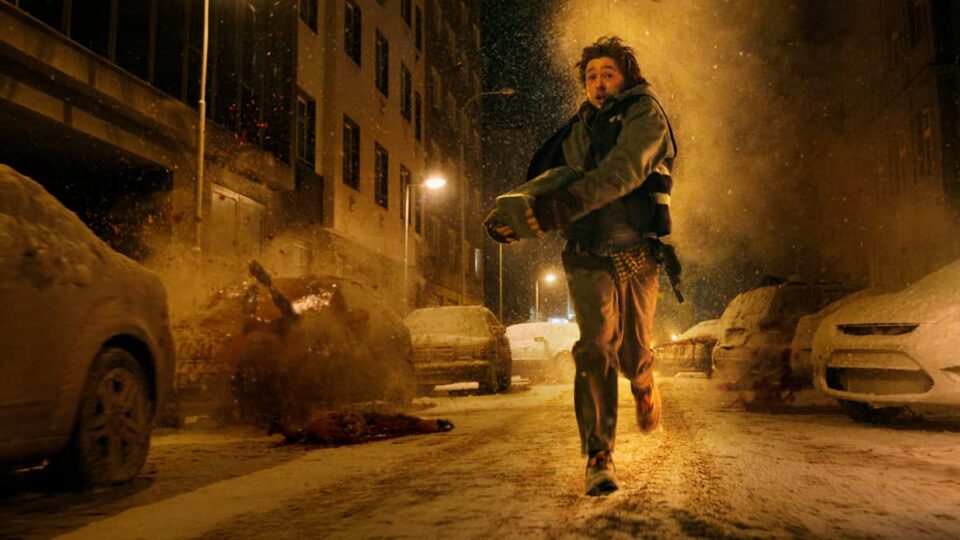
Mission: Impossible - Ghost Protocol throws Ethan Hunt back into action after a mission in Budapest goes catastrophically wrong and an operation inside the Kremlin ends with the IMF framed for a devastating attack. The President invokes Ghost Protocol, cutting Ethan, Jane Carter, Benji Dunn, and mysterious analyst William Brandt loose without official support, safe houses, satellite access, or extraction. Their remaining mission is brutally simple: find nuclear extremist Kurt Hendricks before he can turn stolen Russian launch technology into a global catastrophe. From Moscow to Dubai and Bangalore, almost every carefully designed plan becomes something the team has to rebuild while it is already collapsing.
For writers and film students, Appelbaum and Nemec's screenplay is a terrific study in set-piece construction, escalating failure, team dynamics, and action built around problem-solving. The script rarely treats a gadget, disguise, or elaborate plan as an automatic solution. Technology breaks. Intelligence is incomplete. Personal emotions interfere with professional judgment. The wrong person enters the room. The sandstorm arrives early. What keeps the story moving is not Ethan's ability to execute a perfect plan, but the team's ability to invent another one before the consequences catch up. That turns spectacle into character: competence matters, but adaptability matters more.
Ready to accept the mission? Check out the Study Notes just below. Major story and ending spoilers ahead. When you're ready, download the Mission: Impossible - Ghost Protocol (2011) screenplay.
Mission: Impossible - Ghost Protocol Study Notes
What writers and film students can learn from this screenplay
Mission: Impossible - Ghost Protocol is useful to study because it builds spectacle around a deceptively disciplined dramatic principle: take away the solution. The IMF disappears. Resources vanish. Communications fail. Disguises malfunction. Carefully timed operations encounter variables nobody planned for. Ethan Hunt remains extraordinarily capable, but the screenplay rarely allows capability to equal control. Instead, every major sequence asks the same escalating question: what does a highly trained team do when the elegant version of the plan is no longer available? The answer drives the movie from a Russian prison to the Kremlin, the Burj Khalifa, a sandstorm, and finally a nuclear launch that leaves almost no margin for another mistake.
Craft Focus
- Failure as an action engine: The screenplay repeatedly establishes a clear plan, lets the audience understand how it should work, and then removes one crucial piece. Because we understand the original plan, every improvisation becomes instantly legible and dramatically satisfying.
- Strip away the safety net: Ghost Protocol is more than a plot complication. Removing the IMF's institutional support forces Ethan, Jane, Benji, and Brandt to depend on each other. The global stakes become a team story because there is literally nobody else coming to help.
- Set pieces built from problems, not locations: The Kremlin, Burj Khalifa, Dubai streets, radio station, and automated parking garage are visually spectacular, but each sequence works because the environment creates a specific tactical problem. Geography becomes story machinery.
- Gadgets with dramatic consequences: Technology is useful precisely because it is unreliable. A gadget introduces possibility, then its limitation creates suspense. The famous equipment is never merely decoration; every tool comes with the potential to make the situation worse.
- Four specialists, four vulnerabilities: Ethan improvises but carries personal loss. Jane's professionalism is threatened by revenge. Benji finally gets the field work he wanted and discovers what that actually costs. Brandt appears to be the cautious analyst until his hidden abilities and guilt reveal a much more complicated history. Their usefulness and their weaknesses are intertwined.
- Personal stakes beneath global stakes: Hendricks may be threatening nuclear war, but the screenplay keeps returning to grief, responsibility, trust, and guilt. Jane carries Hanaway's death. Brandt carries what he believes happened to Julia. Ethan carries the truth. The final revelation works because those quieter stories have been running underneath the mission all along.
Questions for Writers
- How does Hanaway's death in Budapest establish both the nuclear plot and Jane's emotional conflict before Ethan even enters the story?
- Why does the screenplay reintroduce Ethan through the Rankow prison escape instead of beginning with him already leading an IMF mission?
- What changes dramatically once Ghost Protocol removes the IMF's resources? Would the same set pieces work if Ethan could simply request backup?
- Track the Dubai operation from its original plan through every complication. How many times does the team have to modify the mission before the sequence is finished?
- Why are malfunctioning gadgets more suspenseful here than perfectly functioning ones? How does the script make technological failure understandable before exploiting it?
- How does Brandt's hidden field experience alter the balance of the team once Ethan exposes it? What does his secrecy contribute beyond providing a plot twist?
- Why does the climax divide responsibility among Ethan, Jane, Benji, and Brandt instead of allowing Ethan to solve the entire problem himself?
- How does the final revelation about Julia reframe Ethan's imprisonment, Brandt's guilt, and the apparent failure of Ethan's personal life without stopping the movie for a conventional emotional resolution?
While reading, track each major operation using five headings: plan, tool, failure, improvisation, handoff. First identify what the team intends to do. Then identify the technology or deception that makes the plan possible. Watch for the moment that piece stops working. Notice who improvises the replacement, and finally, who has to carry the mission forward because of it. That last step matters. Ghost Protocol is not really a screenplay about Ethan Hunt solving impossible problems alone. It is about impossible problems moving from one member of the team to another until somebody finds the next workable answer. The gadgets are cool. The failures are where the screenplay earns its oxygen.
Looking for the screenplay? Jump to the download button.
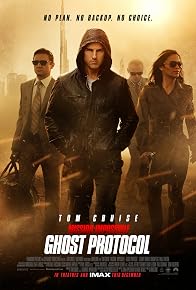
Mission: Impossible - Ghost Protocol (2011)
The IMF is shut down when it's implicated in the bombing of the Kremlin, causing Ethan Hunt and his new team to go rogue to clear their organization's name.
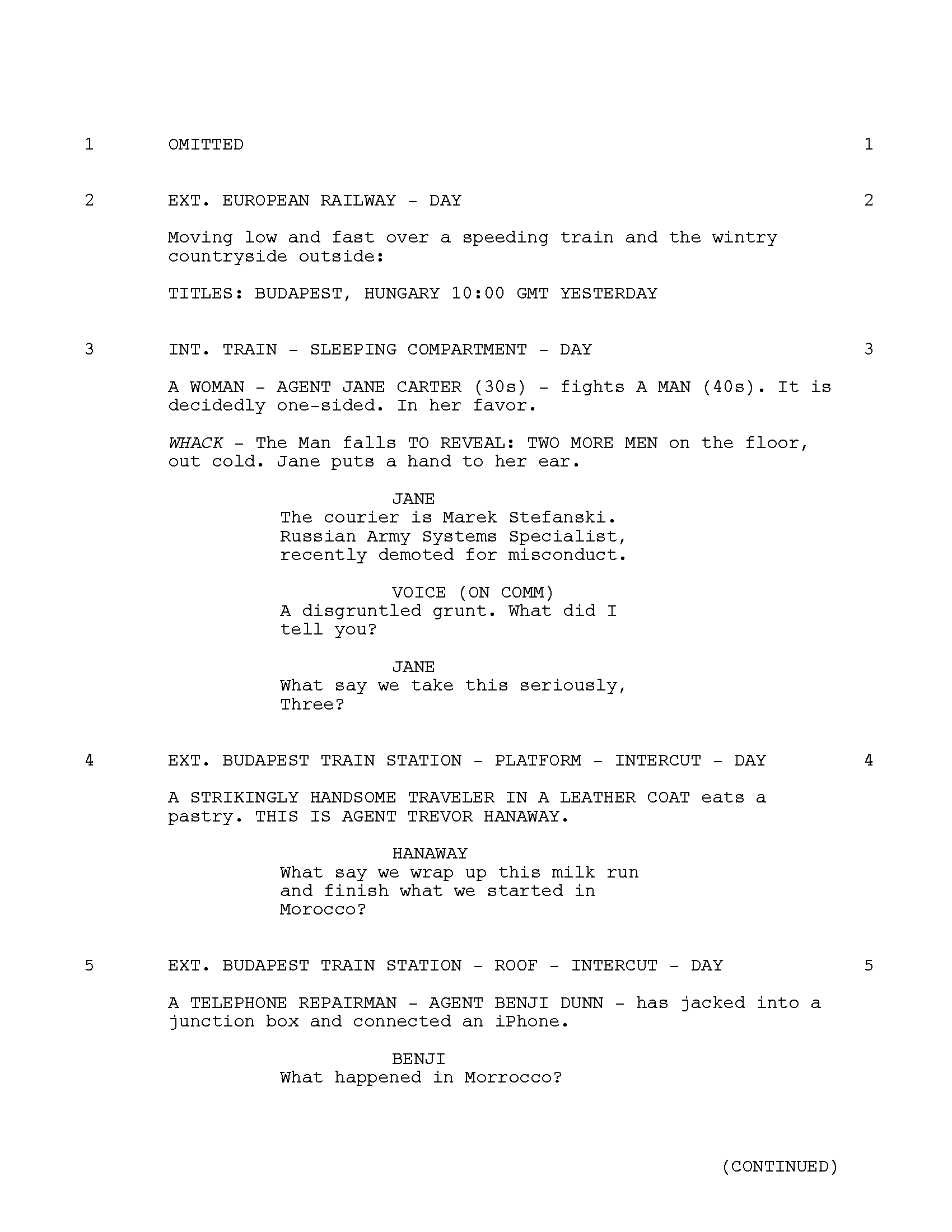
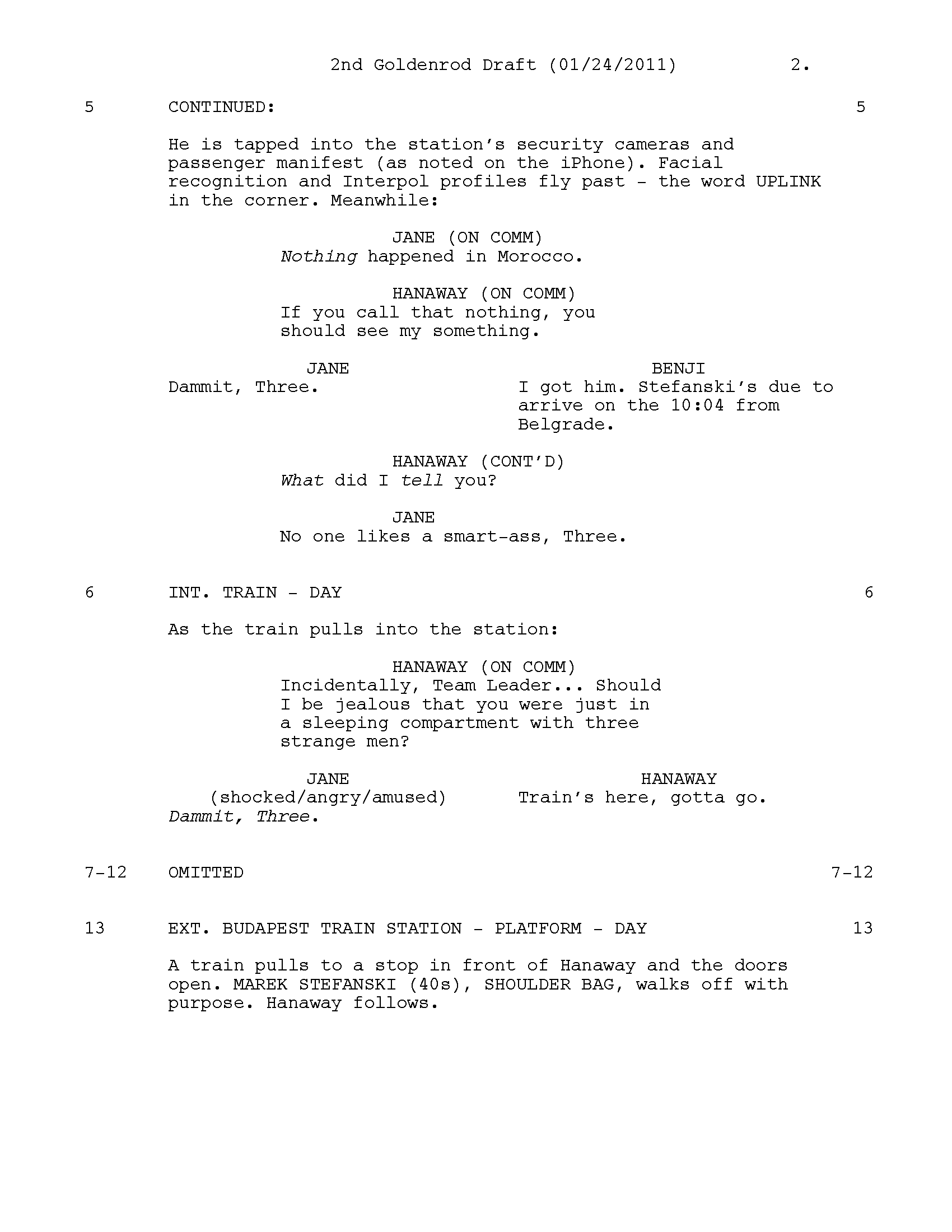
Screenplay download
Reading is open to everyone. A free account is only required to download so we can protect the library and respect rights-holder requests. Already registered? Log in and you’re set.
Read and Watch
Compare the script and movie together with 8FLiX and JustWatch.
Now that you have the screenplay, stream Mission: Impossible - Ghost Protocol and compare. We've partnered with JustWatch so you can make that happen.
Looking For Something?
If you can't find what you need, send us an email.
Looking for a specific movie or TV script that isn't listed? Let us know. 8FLiX has thousands of scripts, and not all of them are indexed yet. We’re steadily adding more, but if you’d rather not wait for the catalog to catch up, send us an email. You may still have to wait, but it’ll usually be days, not geological time.